Trends in Higher Education: What Brazilian Students Need to Know


Understanding Globalization in Higher Education
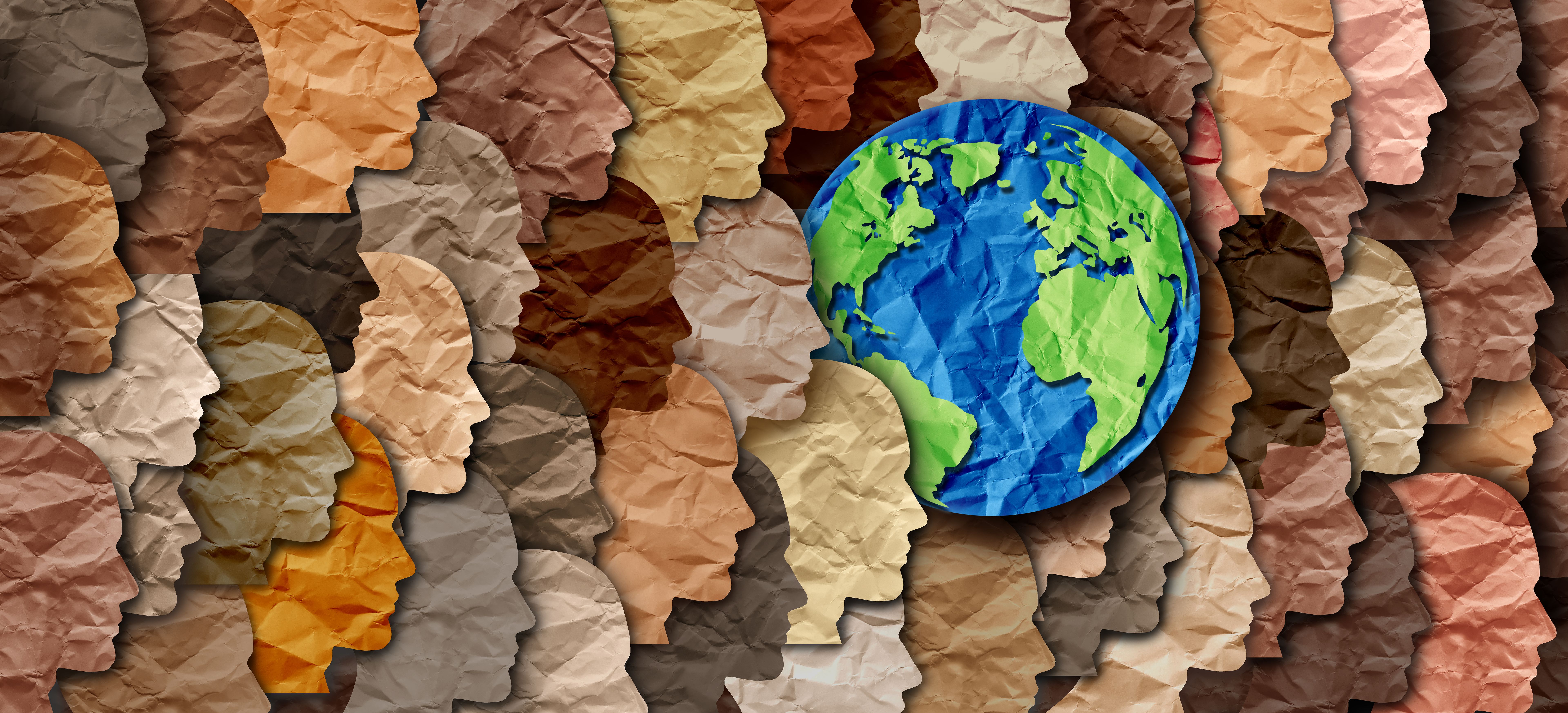
In recent years, globalization has significantly impacted higher education, and Brazilian students are witnessing these changes first-hand. Universities worldwide are becoming more interconnected, offering students opportunities for international collaborations, exchange programs, and global research projects. This trend allows Brazilian students to gain a more comprehensive understanding of different cultures and global issues.
Emphasis on Digital Literacy
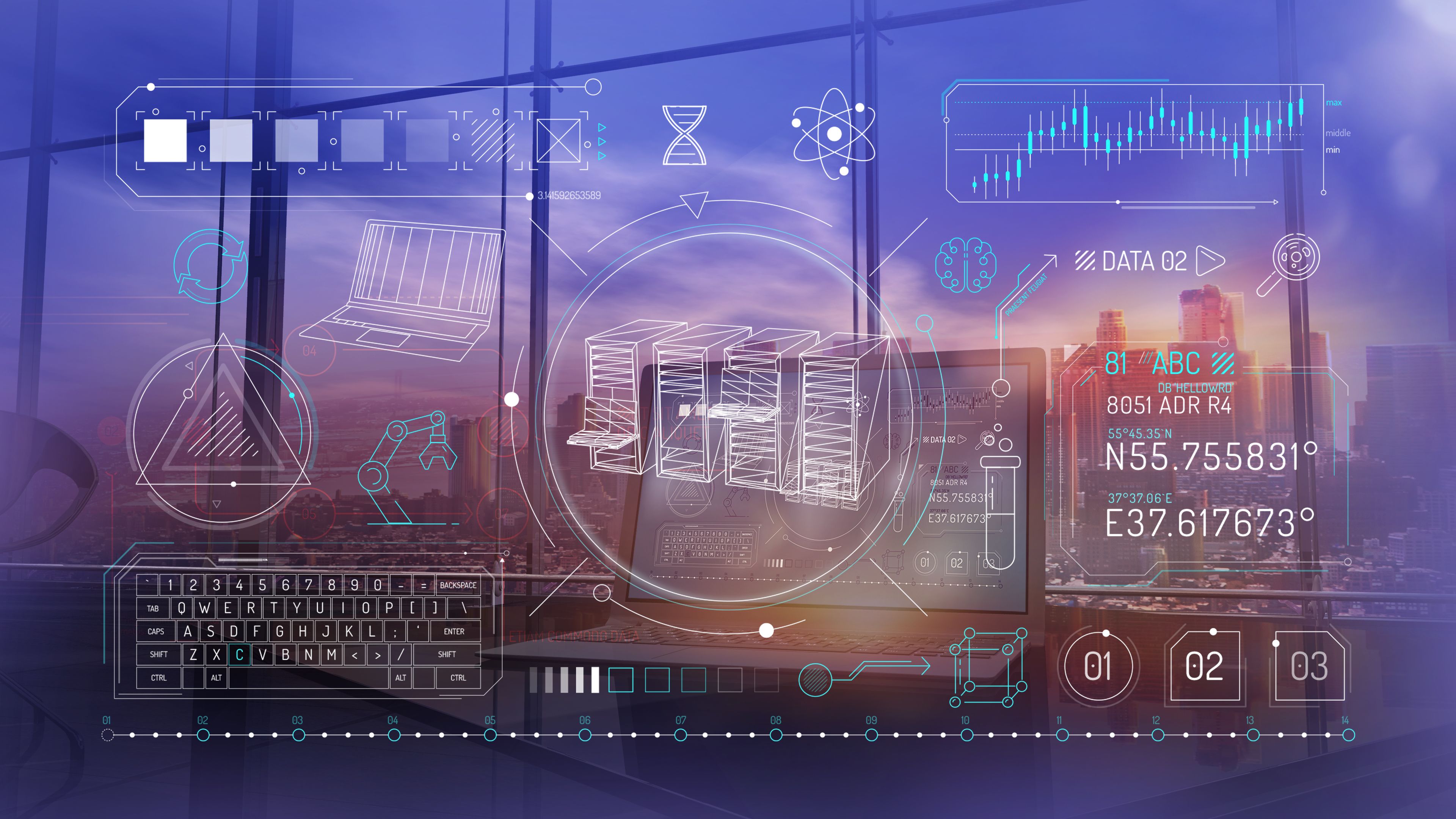
As technology continues to advance, digital literacy is becoming a crucial skill in higher education. Brazilian students need to be proficient in digital tools and platforms to keep up with the demands of modern academic environments. From online learning platforms to advanced research databases, the ability to navigate digital resources is essential for academic success.
The Rise of Online Learning
The shift towards online learning has been accelerated by the recent global pandemic. Many Brazilian universities are now offering hybrid or fully online courses, providing students with greater flexibility. This trend is expected to continue, making it important for students to adapt to virtual learning environments and develop effective online study habits.

Focus on Sustainable Development
With growing awareness of environmental issues, sustainable development has become a key focus in higher education. Brazilian students are increasingly encouraged to engage in sustainability initiatives and research. Universities are incorporating sustainability into their curricula, preparing students to address global challenges related to climate change, resource management, and sustainable practices.
Interdisciplinary Programs
Modern education emphasizes the importance of interdisciplinary studies. Programs that combine multiple disciplines allow Brazilian students to develop diverse skill sets and approach problems from various perspectives. This trend is particularly beneficial in solving complex, real-world issues that require knowledge from different fields.
Lifelong Learning and Skill Development
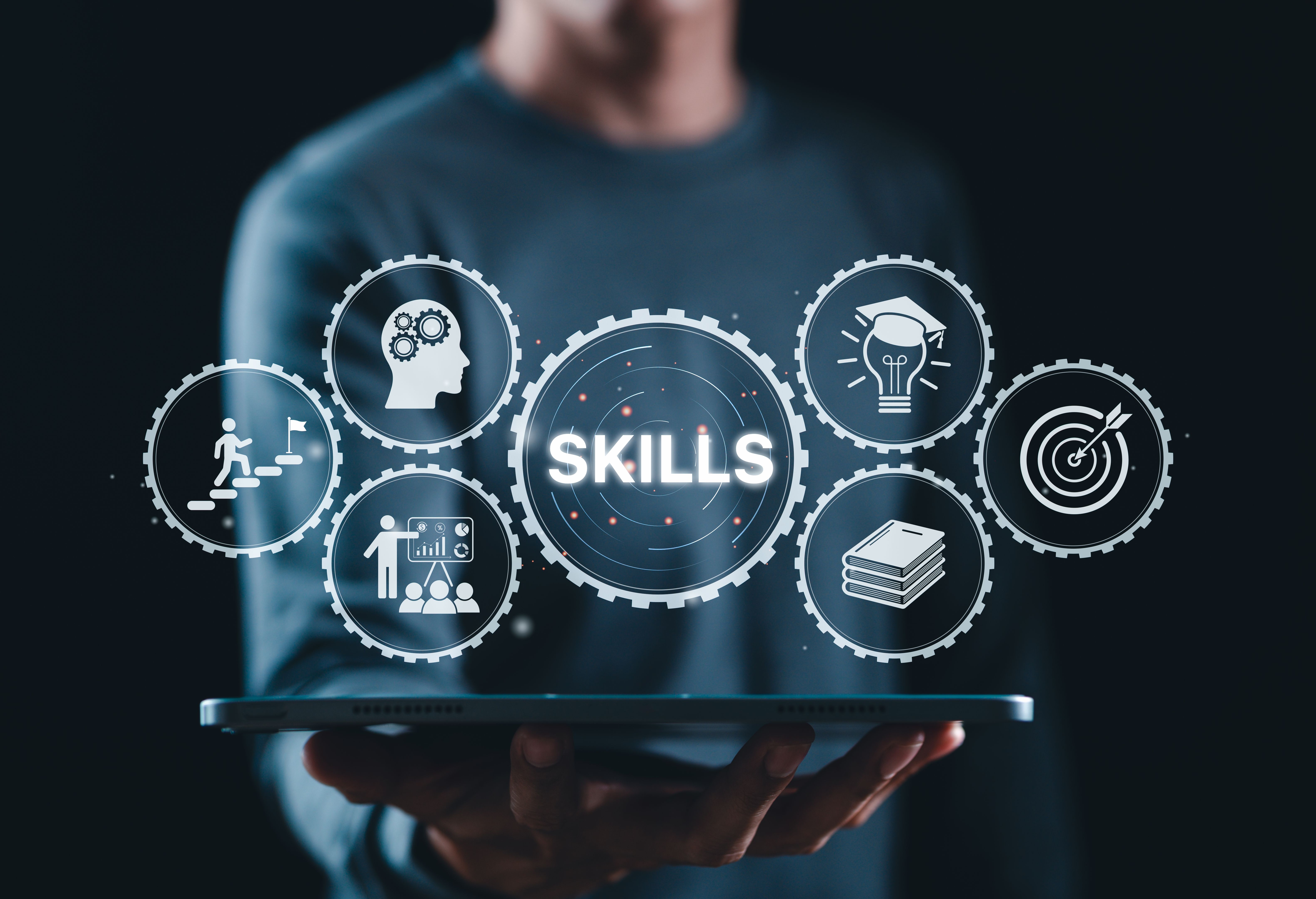
The rapidly changing job market demands continuous learning and skill development. Higher education institutions in Brazil are now focusing on equipping students with skills that go beyond traditional academic knowledge. Critical thinking, problem-solving, and adaptability are highly valued, and students are encouraged to pursue lifelong learning opportunities.
Importance of Soft Skills
In addition to technical skills, soft skills such as communication, teamwork, and leadership are increasingly important. Brazilian universities are incorporating these skills into their programs through group projects, presentations, and workshops. Developing strong soft skills is essential for career success in today's competitive job market.
Global Collaborations and Partnerships
Global partnerships between universities are on the rise, offering Brazilian students access to a wider range of resources and expertise. These collaborations often involve joint research projects, exchange programs, and dual-degree options. Participating in such programs can enhance students' educational experiences and open doors to international career opportunities.
In conclusion, the trends in higher education present both challenges and opportunities for Brazilian students. By staying informed and adapting to these changes, students can position themselves for success in an increasingly interconnected and dynamic world.