Understanding the Brazilian University System: A Beginner’s Guide


Introduction to the Brazilian University System
The Brazilian university system can be a complex landscape for newcomers. Whether you're a prospective student, an international scholar, or simply interested in how higher education works in Brazil, understanding its structure is essential. This beginner’s guide will walk you through the key components of the system, helping you navigate your way with ease.

Types of Institutions
Brazilian higher education consists of both public and private universities. Public universities, funded by the government, tend to be more prestigious and offer tuition-free education, although students must pass a highly competitive entrance exam known as the Vestibular. Private universities, on the other hand, charge tuition fees but often have more flexible admission processes.
Public Universities
Public universities are divided into federal, state, and municipal institutions. Federal universities are widely recognized for their research and academic excellence, while state universities also maintain strong reputations. Municipal universities are typically smaller and serve local communities.
Private Universities
Private institutions vary greatly in terms of quality and costs. They offer more diverse programs and often have partnerships with international universities, providing students with various opportunities for exchange programs and dual degrees.

Admission Process
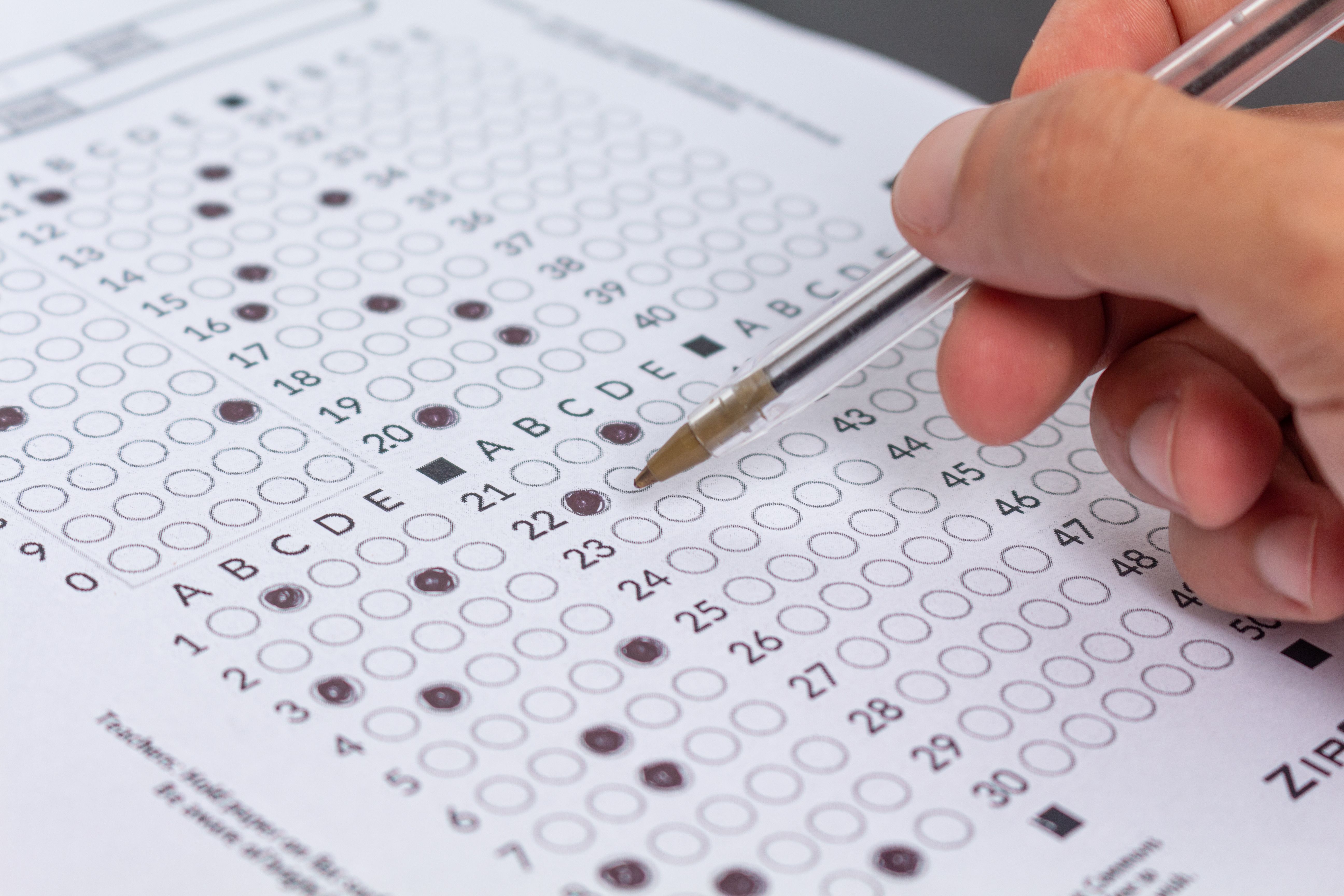
The admission process in Brazil is primarily conducted through the Exame Nacional do Ensino Médio (ENEM), a national exam that serves as a gateway to many universities. The ENEM score is used to apply to numerous institutions through the Sistema de Seleção Unificada (SiSU) platform. Some universities also conduct their own entrance exams, known as Vestibulares.
Degree Structure
Undergraduate programs in Brazil typically last four to six years, depending on the field of study. Common degrees include Bachelor’s, Licentiate, and Technologist degrees, each catering to different professional paths. Graduate education includes Master’s and Doctorate programs, focusing on advanced research and specialization.

Academic Calendar
The academic year in Brazil usually starts in February or March and ends in December, divided into two semesters. Some institutions follow a different schedule, especially those offering distance learning programs.
Holidays and Breaks
The calendar includes regular breaks, with short recesses in July and a longer vacation period from December to February, aligning with the Brazilian summer.
Challenges and Opportunities
While Brazilian universities face challenges such as funding disparities and regional inequalities, they also present incredible opportunities for students. With a growing focus on internationalization, many institutions are expanding their global networks and research capabilities.
Understanding the Brazilian university system opens doors to a vibrant educational experience. With its diverse offerings and rich academic environment, Brazil remains an attractive destination for students worldwide.